Practical Training in Diploma of Aeronautical Engineering

Practical Training in Diploma of Aeronautical Engineering

Posted on : 5 December, 2025 6:11 pm

The Diploma in Aeronautical Engineering is not just about classroom learning. While students study theory and subjects like aerodynamics, aircraft structures, and avionics, the real strength of this course lies in practical training. Aviation is a technical field, and practical exposure helps students understand how aircraft systems work in real life. This training makes students confident, skilled, and ready for jobs in the aviation industry.

Importance of Practical Training

In aeronautical engineering, theory alone is not enough. Students need to see and practice how aircraft are designed, maintained, and repaired. Practical training gives them hands-on experience, which prepares them to handle real challenges in airlines, airports, or aircraft manufacturing companies. It also helps them apply their classroom knowledge to real-world situations.

Types of Practical Training

Practical training in the diploma covers different areas:

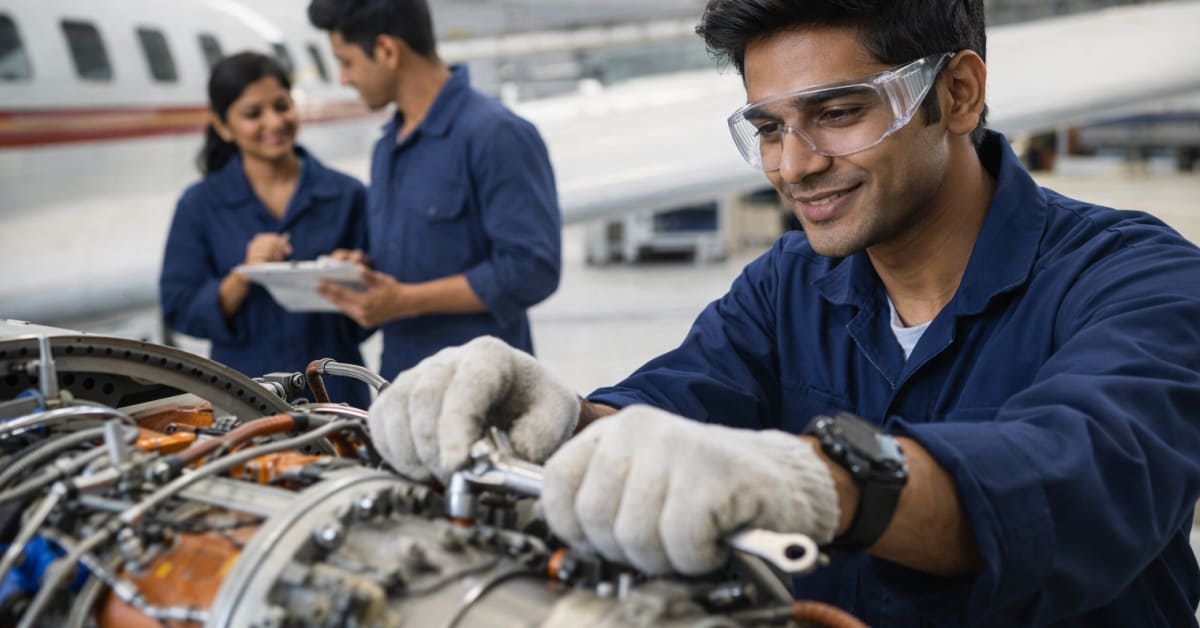
  • Aircraft Maintenance: Students practice checking aircraft, repairing faults, and ensuring safety standards.

  • Avionics Systems: Training on electronic systems such as navigation, communication, and flight control.

  • Workshops and Labs: Students work in labs where they learn about materials, engines, and testing equipment.

  • Simulation Training: Some institutes provide flight or maintenance simulators to give a near-real experience of aircraft systems.

Internship Programs

Most institutes offering the Diploma in Aeronautical Engineering include internship programs as part of the course. Students get the chance to work with airlines, airports, or aerospace companies for a few months. Internships help them learn how the industry works, meet professionals, and sometimes even secure job offers after completing the course.

Skills Gained Through Training

Practical training builds important skills such as:

  • Problem-solving while handling technical issues.

  • Attention to detail during safety checks.

  • Teamwork, as aviation tasks are always done in groups.

  • Communication skills for reporting and coordination.
    These skills make diploma graduates more employable in the aviation industry.

Career Benefits of Practical Training

Employers in the aviation sector prefer candidates with real-world experience. Practical training and internships give diploma holders an edge in the job market. With hands-on knowledge, students can work confidently as technicians, quality inspectors, or ground staff right after graduation. It also increases their chances of being selected for jobs in international airlines and aerospace companies.

Practical training is the backbone of the Diploma in Aeronautical Engineering. It bridges the gap between theory and real-world work, making students industry-ready. By practicing in labs, workshops, and internships, students gain the skills needed for a successful career in aviation and aerospace. For anyone dreaming of working with aircraft, practical training is the key to turning that dream into reality.