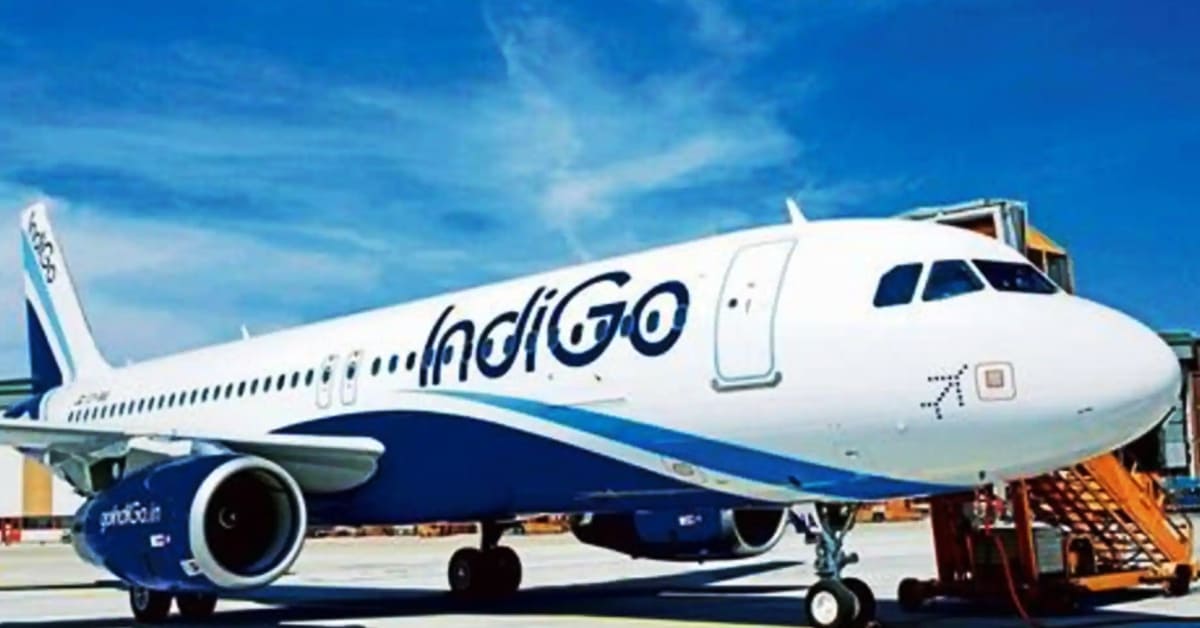
IndiGo’s new Navi Mumbai flights power fresh growth in India’s aviation industry.
Posted on : 1 December, 2025 10:55 am
India’s aviation sector is all set for a transformation with the opening of Navi Mumbai International Airport, while IndiGo has become the first airline to announce a comprehensive flight schedule from the new hub. With the latest decision, IndiGo has taken a concrete step toward regional connectivity, decongesting Mumbai travel, and further opening up opportunities within the aviation sector.
A New Era Begins: IndiGo Expands Operations from NMIA
IndiGo has announced multiple new flights from the Navi Mumbai International Airport that will provide direct connectivity to Coimbatore, Chennai, Goa, and Vadodara. Since NMIA will start operations with limited hours initially, IndiGo’s schedule offers an efficient mix of daily and frequent services to ensure seamless connectivity for both business and leisure travelers.
This expansion, from a brand-new airport, reflects the continued commitment of IndiGo to strengthen domestic aviation and support India’s rapidly growing travel demand.
Why IndiGo’s Move Is a Game Changer
The Mumbai metropolitan region has always borne the brunt of heavy congestion at the Chhatrapati Shivaji Maharaj International Airport, which hosts one of the busiest airspaces and terminals in India. More often than not, airlines have to fight for additional slots.
The launch of NMIA — and IndiGo’s early adoption — offers many benefits:
-
Decongesting Mumbai’s Overloaded Airspace
These new flights will facilitate the distribution of traffic between the two Mumbai airports, reducing delays, improving on-time performance, and generally enhancing the passenger experience. This translates to better operational efficiency for airlines and a smoother journey for travelers.
-
Better Regional Connectivity
Daily frequencies to Chennai and Coimbatore would ensure better access for business travelers and strengthen tourism. Addition of Goa and Vadodara would further strengthen connections for leisure and regional travelers.
-
Stronger Airline Presence in a Key Market
By becoming the launch airline with substantial operations at NMIA, IndiGo cements itself as the dominant carrier in India’s financial capital’s aviation landscape.
Navi Mumbai Airport: Designed for the Future
NMIA is being developed as one of India’s most technically advanced and eco-friendly airports. Laid across thousands of acres, it will emerge as a major domestic and international flight hub.
Key highlights include:
- Advanced runway and taxiway systems
- High-capacity passenger terminals
- Integrated multi-modal transportation
- Modern design supporting high aircraft movement
- Future-ready infrastructure enabling rapid expansion
This airport will considerably relieve the burden on Mumbai’s present airport, which is presently handling many more passengers than it was designed for.
Flight Schedule Overview
According to reports, IndiGo’s schedule includes:
- Daily flights to Coimbatore and Chennai
- Frequent weekly flights to Goa
- New direct connectivity to Vadodara
These routes ensure a smart mix of high-demand business travel, tourism routes, and regional accessibility.
Impact on Passengers: Smoother Travel & More Choices
Reduced Delays
With less air traffic congestion and better ground infrastructure, NMIA promises a smoother overall travel experience, especially for frequent flyers.
More Flight Options
IndiGo’s early expansion means passengers will quickly have multiple new travel choices from Navi Mumbai, easing dependence on CSMIA.
Convenience for Residents of Navi Mumbai, Thane, Panvel & Raigad
Millions of residents in the region will now access an airport much closer to home, drastically cutting travel time.
A Boost for India’s Aviation Economy
IndiGo’s expansion from NMIA aligns with India’s broader aviation growth strategies. Air passenger traffic, according to government projections, is expected to grow exponentially in the next five years. Airlines are increasing their fleet capacity, and India is building airports at one of the fastest rates in the world.
More flights at a new major airport means:
- Increased economic activity
- Growth in tourism
- Job creation in all sectors
- Higher demand for aviation services
- Boosting regional economies
This positions NMIA as a future aviation powerhouse in western India.
Why This News Is Great for Aviation-Course Students
IndiGo’s expansion and NMIA’s launch bring major benefits for students pursuing aviation careers:
More Jobs in Airport Operations
New terminals require ground staff, cargo handlers, security staff, ATC assistants, airline service personnel, and more.
Higher Demand for Cabin Crew & Pilots
As IndiGo expands its route network, it will require more trained pilots and cabin crew.
Opportunities for AME & MRO Students
As flight operations grow, the need for maintenance engineers and technicians increases significantly — boosting opportunities for AME, avionics, and aircraft-maintenance students.
Boost for Aviation Management Careers
From airport management to airline operations, numerous roles will expand as NMIA scales up.
Increased Training & Internship Opportunities
New airports often collaborate with training centers, offering hands-on exposure to students enrolled in aviation courses.
Conclusion: A Strong Step for India’s Aviation Future
The addition of new flights by IndiGo from the Navi Mumbai International Airport is a major milestone in Indian aviation. While this will help in improving connectivity and easing congestion, it would also be part of India’s long-term aviation growth strategy.
That means ease for travellers.
For the aviation industry, this means stronger expansion.
That means more opportunities in the future for students in aviation courses.
As NMIA commences operations, IndiGo’s very early and strategic involvement sets the tone for promising times ahead as far as aviation in the Mumbai region is concerned — and, for that matter, the country.