Contribution of Diploma in Aeronautical Engineering to Aviation Industry
Posted on : 14 December, 2025 11:49 am
The aviation industry is one of the fastest-growing sectors in the world, and it needs skilled professionals to keep it running smoothly. The Diploma in Aeronautical Engineering plays a big role in meeting this demand. This course prepares students with technical knowledge and practical skills, allowing them to contribute to many areas of aviation such as aircraft maintenance, safety, airport operations, and aerospace development.
Building Skilled Technicians and Engineers
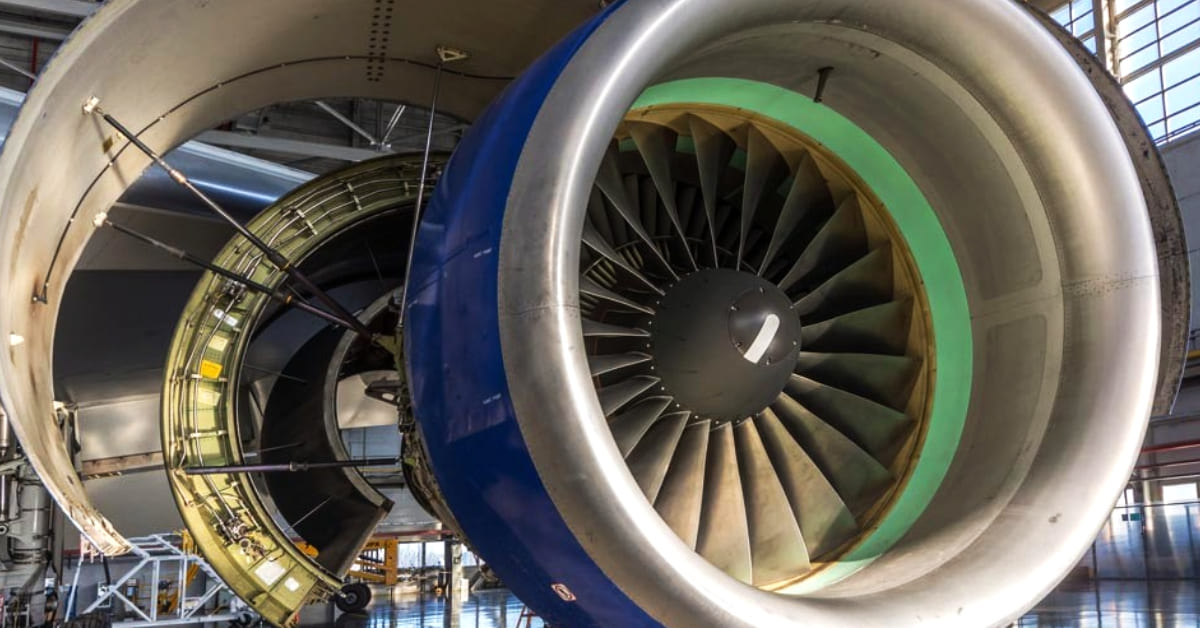
One of the main contributions of the diploma is producing skilled technicians who can maintain and repair aircraft. Aviation safety depends on these professionals, as even a small fault can affect flight operations. Diploma holders are trained to work on engines, avionics, and aircraft structures, ensuring that planes are always safe and ready to fly.
Supporting Aircraft Manufacturing and Design
The diploma also helps students become part of the aircraft manufacturing industry. Many graduates work as assistants in design, quality control, and assembly. By learning about aerodynamics, materials, and structures, they support engineers in creating modern, efficient, and safer aircraft.
Strengthening Airport and Airline Operations
Diploma graduates also play a role in the day-to-day working of airlines and airports. They work in ground handling, safety inspections, and passenger services. Their knowledge of aircraft systems and aviation rules helps keep airport operations smooth, efficient, and secure.
Meeting Global Aviation Standards
The aviation industry follows strict international rules and safety standards. Diploma programs teach students about these rules, making sure they are ready to work in both India and abroad. This helps the industry maintain high safety levels and run according to global standards.
Contribution to Defense and Space Research
Apart from commercial aviation, diploma holders also contribute to defense services and space research organizations. In defense, they help maintain fighter jets and military aircraft, while in space organizations they support technical projects related to satellites and rockets. Their skills make them valuable in these highly specialized fields.
Driving Industry Growth with Practical Skills
A unique feature of the diploma is its focus on practical training. Through labs, workshops, and internships, students gain hands-on experience. These skills make them job-ready from the start, reducing the gap between education and industry needs. This direct contribution helps the aviation industry grow faster with a trained workforce.
The Diploma in Aeronautical Engineering is more than just a course; it is a strong support system for the aviation industry. From ensuring aircraft safety and supporting manufacturing to improving airport operations and contributing to defense, diploma graduates play an important role everywhere. As the aviation sector continues to expand, the contribution of diploma-trained professionals will only grow stronger, making them key players in shaping the future of aviation.